

 See My Latest Article on HelloNation

Why do birthdays and anniversaries feel especially difficult after a loss?
Birthdays, wedding anniversaries, death anniversaries, holidays, and other meaningful dates can bring grief back into focus, even when daily life has begun to feel more manageable. These occasions often highlight the person’s absence and may create expectations about how someone “should” feel.
Grief does not follow a fixed schedule. A person may feel steady for several weeks and then experience sadness, anger, anxiety, numbness, or strong memories as a significant date approaches. These reactions do not necessarily mean that healing has stopped. They are common responses to a reminder connected with love, family history, and change.
In Guilford, CT, seasonal conditions may also shape how a day is experienced. A birthday near the winter holidays may involve shorter daylight and more time indoors, while a summer anniversary may bring memories of outdoor gatherings, shoreline routines, or family travel. The surroundings can make certain memories feel close again.
What is the difference between an anniversary and an anniversary reaction?
An anniversary is a meaningful date connected with a person or event. An anniversary reaction is the emotional or physical response that may occur before, during, or after that date.
Some people notice grief several days or weeks in advance. Others feel fine until the date itself, then become unexpectedly distressed. Reactions can include:
- Trouble sleeping or changes in appetite
- Difficulty concentrating
- Irritability or restlessness
- Headaches, fatigue, or muscle tension
- Increased crying or emotional sensitivity
- A desire to withdraw from social activities
- Strong memories triggered by music, photographs, food, weather, or familiar places
The response may also be positive. Someone might feel gratitude, peace, amusement, or renewed connection while remembering the person who died. Happiness does not disrespect the loss, and sadness does not mean that a person is coping poorly.
Should the date be acknowledged or avoided?
There is no universal answer. Some people prefer to acknowledge the date directly, while others need to treat it like an ordinary day. Both approaches can be healthy.
Avoiding every reminder may feel protective at first, but complete avoidance can make the date seem more frightening over time. On the other hand, forcing a ceremony, gathering, or public expression of grief can create pressure that adds to the burden.
A useful approach is to decide in advance what level of recognition feels manageable. Options might include:
- Lighting a candle at home
- Preparing a favorite meal
- Visiting a meaningful outdoor location
- Looking through photographs for a limited amount of time
- Writing a private letter to the person who died
- Listening to music connected with a shared memory
- Spending the day quietly without explaining personal choices to others
- Inviting one or two trusted people to share a meal or memory
Plans can remain flexible. A person may begin the day expecting to visit a familiar place and later decide that staying home is more appropriate.
How can families handle different reactions to the same date?
Family members may grieve very differently, even when they lost the same person. One person may want a gathering, another may prefer privacy, and another may focus on practical responsibilities. Differences do not necessarily indicate differences in love or respect.
Before the date arrives, families can talk about expectations in simple terms:
- “Would you like company that day?”
- “Would you rather remember privately?”
- “Is there anything that tends to make this date harder?”
- “Should plans be kept short and informal?”
- “What should happen if someone changes their mind?”
Children and teenagers may express grief through behavior rather than conversation. They may become quiet, distracted, irritable, or unusually active. They may also ask the same questions repeatedly. Clear, age-appropriate explanations and permission to participate—or not participate—can help them feel secure.
Older adults may face additional losses around the same date, including changes in housing, transportation, health, or social routines. A birthday or anniversary can bring attention to how much life has changed since the death.
What if a birthday feels painful instead of joyful?
A birthday after a death may bring mixed emotions. The date may belong to the person who died, to the survivor, or to both through shared traditions. Celebrating can feel disloyal, while ignoring the date can feel equally painful.
There is no requirement to recreate the birthday exactly as it was. A person might:
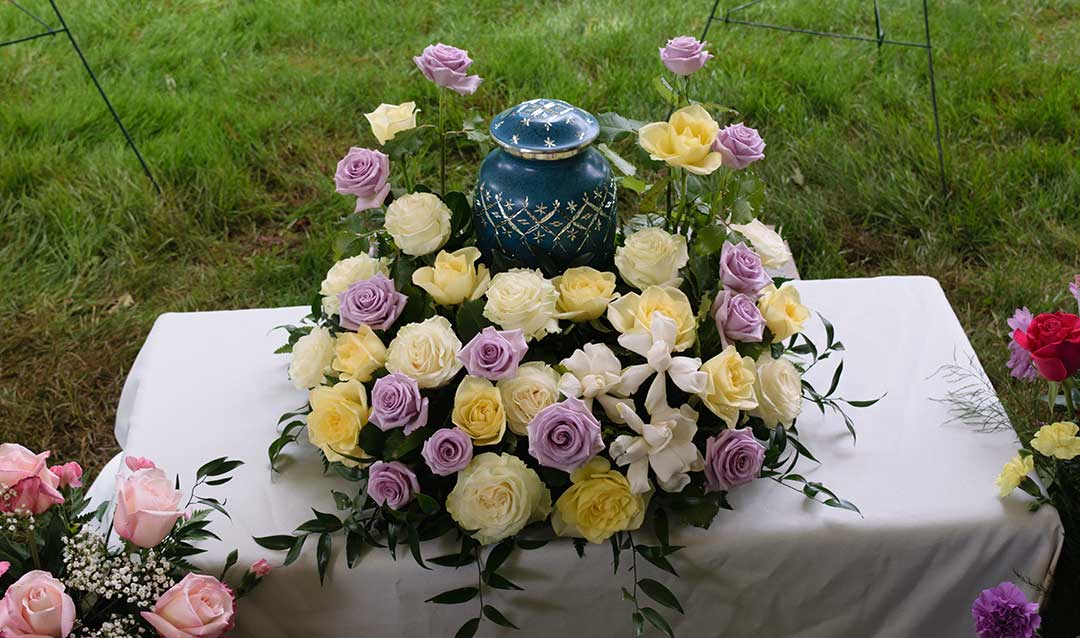
- Keep the day private
- Mark the birthday with a small meal
- Share one story rather than hold a full gathering
- Donate time or personal belongings in a way that reflects the person’s values
- Celebrate the survivor’s life while also acknowledging the absence
- Move the observance to a different day
The goal is not to produce a cheerful event. The goal is to create a response that fits the present circumstances.
How can someone prepare for a difficult date?
Preparation can reduce unnecessary stress. A few days beforehand, consider practical needs as well as emotional ones. Grocery shopping, transportation, childcare, household tasks, and work responsibilities may feel harder if concentration or energy is low.
Helpful preparations may include:
- Telling a trusted person that the date may be difficult
- Limiting obligations and leaving room for rest
- Planning an easy meal
- Choosing whether to answer calls or messages
- Setting boundaries around photographs and social media
- Identifying a quiet place to go if emotions become overwhelming
- Avoiding major decisions if the day brings intense distress
- Planning a gentle activity for the day after, when emotional exhaustion may appear
Local weather can affect plans, especially during winter storms, heavy rain, or periods of extreme heat. A remembrance activity does not need to depend on outdoor access. A table with photographs, a handwritten note, a favorite recipe, or a shared recording can create a meaningful private ritual at home.
When does grief around a significant date require extra support?
Strong feelings around a birthday or anniversary are common, but additional support may be appropriate when distress becomes persistent, unsafe, or seriously interferes with daily life. Warning signs can include ongoing inability to sleep, inability to perform basic responsibilities, severe isolation, increased substance use, or thoughts of self-harm.
Anyone who may act on thoughts of self-harm or who cannot remain safe should seek immediate emergency assistance or contact a crisis service. A person experiencing intense grief may also benefit from speaking with a qualified mental health provider, faith leader, grief counselor, or support group, depending on personal preferences and needs.
Support should not be limited to the date itself. Grief may intensify afterward, once visitors leave and routines return. Checking in a few days later can be more helpful than assuming the difficult period has ended.
Can remembering change over time?
Yes. The same birthday or anniversary may feel different from one year to the next. Early observances may be dominated by shock and absence. Later years may include more balanced memories, new traditions, or a clearer sense of what the person contributed to family life.
Remembering does not require choosing between sadness and continuing forward. A person can miss someone, enjoy a meal, laugh at an old story, and still recognize that life has changed. Meaningful dates often become less predictable rather than simply easier, and that changing experience is a normal part of adapting to loss.