

 See My Latest Article on HelloNation

Why Are Flowers Present at Funerals?
Flowers have long been used at funerals to express sympathy, honor the deceased, and offer comfort to grieving families. Their presence is both a visual tribute and a silent message of respect. In Guilford, this tradition is commonly observed at funeral homes, memorial services, and cemetery gatherings, offering community members a way to convey emotions when words may be difficult.
What Do Different Flowers Symbolize at Funeral Services?
Each flower often carries a specific meaning, allowing families and friends to personalize their tribute. For example:
- Lilies symbolize purity and the restored innocence of the soul.
- White roses stand for reverence, humility, and remembrance.
- Carnations, frequently chosen for their longevity, represent love (red), innocence (white), or remembrance (pink).
- Chrysanthemums are traditionally associated with death and mourning in some cultures, especially in European traditions.
These symbolic meanings can influence what local families select to reflect either the personality of their loved one or the sentiments they wish to express.
How Do Area Households Typically Arrange or Display Flowers?
In Guilford, families often display flowers in several ways, such as:
- Casket sprays set atop the coffin.
- Standing wreaths or crosses displayed around the service area.
- Bouquets placed at the grave site or in memorial spaces.
Some homes or churches may have guidelines for floral arrangements, such as limitations on size or where displays can be placed. Seasonality may also play a role, with local florists offering options that reflect the natural blooms available in southern Connecticut’s climate throughout the year.
Are There Local Customs Regarding Funeral Flowers?
While broad funeral traditions are followed, the community may observe quieter, local preferences. For instance, some families in Guilford may choose arrangements featuring native or garden flowers — such as hydrangeas or lilacs in spring — reflecting both the local landscape and personal connections to regional flora. Others might opt for understated arrangements or charitable alternatives, especially in cases where the deceased expressed a wish for simplicity.
Religious practices may also shape flower choices. For example, some faiths or denominations traditionally avoid flowers during certain services or may prefer living plants that can be replanted in memory.
Can Sending Flowers Be Inappropriate?
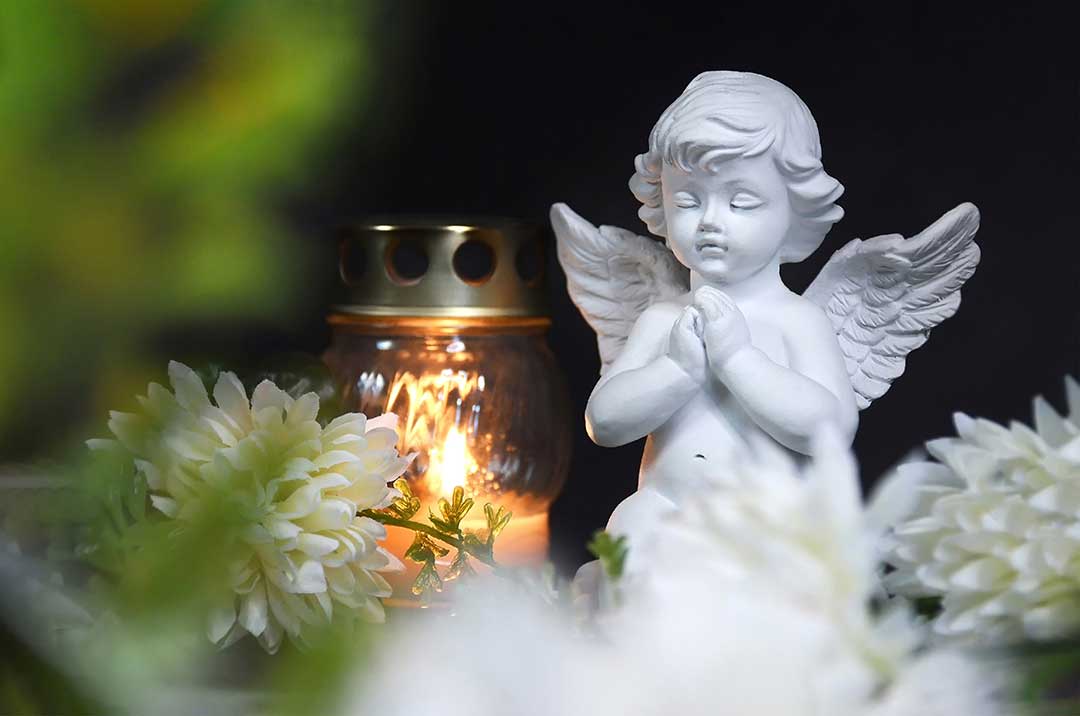
While the gesture is almost always seen as thoughtful, there are situations where it is less appropriate. If the family requests donations instead of flowers, honoring that wish is a sign of respect. Certain cultures or religions may not incorporate flowers into their mourning rituals at all, instead emphasizing different forms of tribute. Checking the obituary or asking the family (through a mutual friend or official channel) helps avoid misunderstandings.
What Should Residents Consider When Choosing Funeral Flowers?
When selecting flowers for a local service:
- Consider the preferences of the deceased or their family.
- Keep in mind any religious, cultural, or venue-related guidelines.
- Opt for arrangements suited to the season for the freshest appearance.
- Include a message card expressing your sentiments, if desired.
For those concerned about sustainability, local suppliers offering native or garden-grown blooms reduce transportation distances and reflect the character of the region.
Do Funeral Flowers Serve a Practical Purpose?
Historically, flowers were used to mask unpleasant odors before modern preservation. Today, their role is primarily symbolic, creating a comforting, peaceful environment. The presence of fresh flowers provides sensory comfort, helping mourners feel supported and less alone during services and gatherings.
How Do Local Families Preserve or Repurpose Funeral Flowers After the Service?
Many local residents choose to take flowers home, donate them to hospitals or care facilities, or distribute smaller bouquets among close family. Another option is to dry or press petals as a keepsake, using them for memorial crafts or as part of a remembrance garden. When possible, living plants or potted arrangements allow for a more lasting remembrance, echoing the cycle of life in home gardens across the area.