

 See My Latest Article on HelloNation

How Do Mourning Practices Differ Among Cultures in Guilford, CT?
Mourning customs vary widely based on cultural, religious, and family traditions. In Guilford, CT, residents come from many backgrounds, each with its own expectations around grief, memorials, and honoring loved ones. These differences shape everything from funeral attire to the length of mourning periods and the types of remembrance gatherings held in local homes or places of worship.
Local families may observe wakes, shiva, prayer services, or private ceremonies, based on cultural and religious roots. Some communities encourage open expression of grief; others prefer quiet reflection or minimal display of emotion. Understanding and respecting these differences helps neighbors support each other and ensures everyone feels comfortable during a sensitive time.
What Are Common Ways Different Cultures Express Grief?
Residents of Guilford may notice that expressions of grief can range from loud and communal to subdued and private. Here’s how these differences often appear:
- In some cultures, it’s customary to weep openly or even wail, viewing strong displays of emotion as a sign of deep respect for the deceased.
- Other traditions value composure and controlled emotion, believing personal grief should not be public.
- Handwritten memorial books, flowers, and sympathy cards are common locally, but practices such as food offerings, incense, or symbolic objects may also be part of certain rites, particularly in homes or community gatherings.
Sharing support through food, visiting the bereaved, or joining group prayers is widely practiced across many backgrounds in the area.
How Do Local Funeral and Memorial Services Reflect Cultural Beliefs?
The choice between burial and cremation, the arrangement of flowers, and even the presence of music or photos can be influenced by cultural background. For example:
- Some families prioritize immediate burial, while others may hold extended wakes or viewings lasting several days.
- Catholic and Christian practices may include open casket wakes, recitations of prayers, or church ceremonies, followed by a formal burial.
- Jewish households might observe shiva at home, with mirrors covered and visitors bringing food but not flowers.
- In some East Asian traditions, offerings of fruit, incense, and favorite items of the deceased are placed on altars as part of ancestral respect.
- Secular families may opt for simple gatherings focused on storytelling, music, or personal tributes instead of formal religious rituals.
Community spaces, religious institutions, and local cemeteries all play a role, adapting setups to reflect each family’s wishes.
Are There Specific Mourning Periods or Dress Codes?
The length and strictness of mourning periods can differ significantly. Some guidelines seen among Guilford households include:
- Black, white, or subdued clothing is typical at many funerals, but some cultures prefer all-white or even brighter colors to symbolize hope and a positive passage.
- Certain communities observe set mourning times—such as three days, seven days, or up to one year—with restrictions on attending celebrations, wearing jewelry, or engaging in entertainment.
- Local practices sometimes blend traditions: families may follow religious customs while also adapting attire and rituals to fit personal preferences or climate considerations, like holding outdoor memorials in warm weather.
As people in Guilford welcome neighbors from many backgrounds, respecting dress choices and mourning periods helps build community understanding.
How Do Local Households Incorporate Memorials and Anniversary Events?
Memorialization often continues beyond burial or cremation. Common practices in the community include:
- Lighting candles, reading poems, and organizing charitable actions on the anniversary of a loss.
- Visiting cemeteries on special dates or holidays, sometimes leaving flowers, notes, or symbolic objects at gravesites.
- Digital memorials—such as online tributes or social media remembrances—are increasingly popular, allowing extended family and distant friends to take part in honoring someone’s memory.
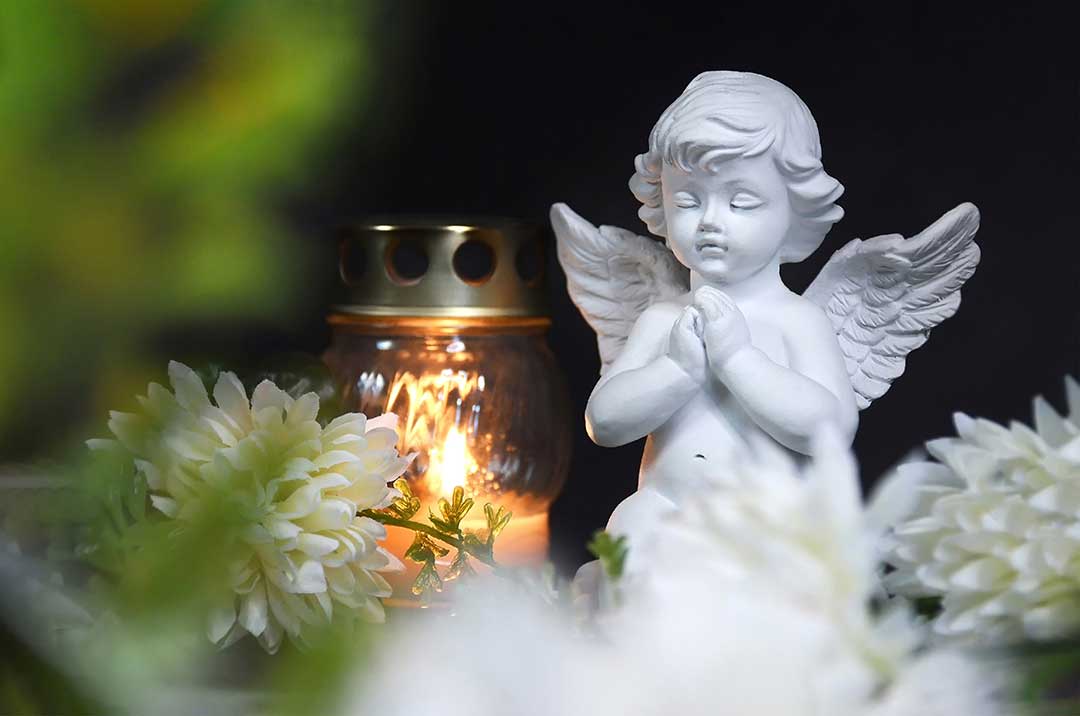
These rituals, whether public or private, help families feel connected to loved ones over time and across distances.
What Misconceptions Exist About Mourning in a Diverse Community?
A common misconception is that there is a single “right” way to mourn. Local experiences show this is not the case:
- Some assume all families want large public gatherings, but many prefer small, immediate-family-only farewells.
- Not everyone finds comfort in the same gestures—a dish of food, a condolence card, or time spent together may have different meanings depending on one’s background.
- It’s perfectly acceptable to ask families about customs and preferences; most appreciate sincere interest and respectful questions.
Awareness of these nuances helps neighbors in Guilford support one another with empathy and without awkwardness.
How Can Residents Respect Different Mourning Needs in Daily Life?
Supporting a grieving neighbor or friend starts with recognizing the range of customs in the community. Consider the following:
- Reach out without expectation—simple check-ins can mean a lot.
- Offer practical help, such as delivering meals or assisting with daily tasks, especially if a household is observing rituals that limit routine activities.
- Pay attention to cues: some families open their homes to visitors, while others may need private time.
- When attending services or visits, follow the family’s guidance for attire and participation, or ask gently if unsure.
Creating a supportive environment in Guilford means making room for every family’s way of honoring those they have lost.