

 See My Latest Article on HelloNation
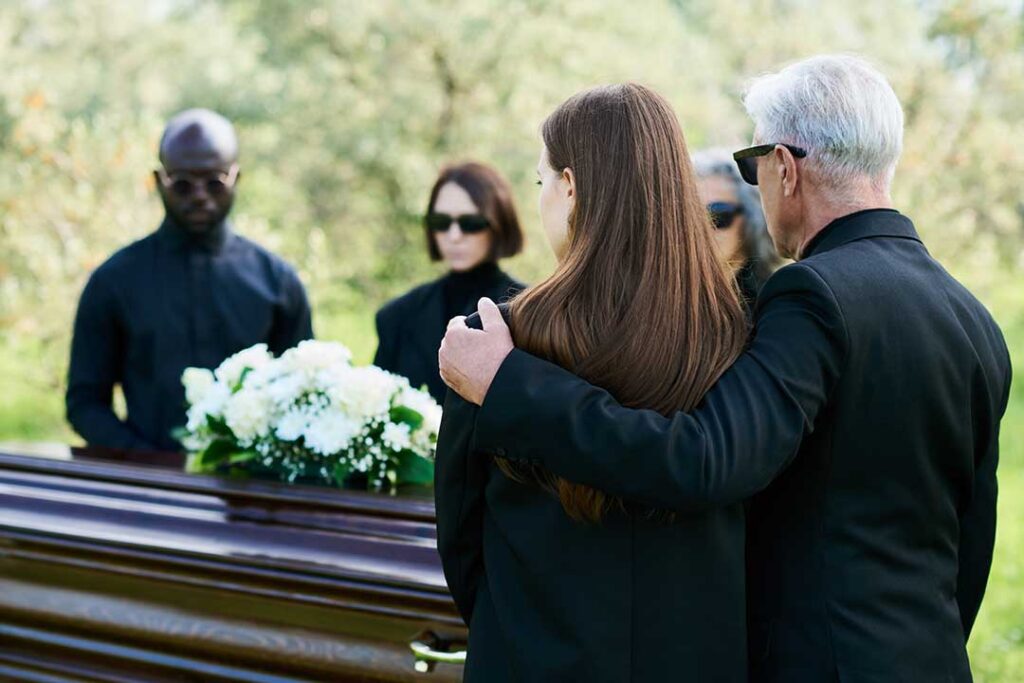
How can a family honor someone’s legacy after a death?
A loved one’s legacy can be honored through meaningful actions that reflect the person’s values, relationships, interests, and contribution to others. For families in Guilford, CT, this may include gathering stories, preserving personal belongings, supporting a cause, caring for a meaningful place, or creating traditions that continue over time.
There is no single correct way to remember someone. Some families prefer a private tribute at home, while others find comfort in a community gathering, charitable project, or annual observance. The most fitting choice is usually connected to what the person cared about during life rather than what appears most formal or elaborate.
What are personal ways to preserve memories?
Personal memories are often preserved through items and stories that might otherwise be scattered or forgotten. Families can create a memory collection that includes:
- Photographs, letters, recipes, handwritten notes, and artwork
- Recorded stories from relatives, friends, or longtime neighbors
- A digital folder containing photographs and important documents
- A scrapbook organized around family events, work, hobbies, or holidays
- A written timeline of major life events and accomplishments
- Favorite sayings, songs, traditions, or everyday routines
A memory project does not need to be completed immediately. Grief can make decision-making difficult, and sorting belongings too quickly may lead to regret. It can be helpful to begin with a small group of items and invite family members to explain why certain objects matter.
For households near the shoreline or in older homes, storage conditions deserve attention. Humidity, temperature changes, sunlight, and moisture can damage photographs, paper records, wooden objects, and textiles. Acid-free storage materials, dry indoor locations, and scanned copies can help protect irreplaceable items.
How can stories become part of a lasting tribute?
Stories often reveal a person’s character more clearly than a list of dates or accomplishments. A family may collect short memories about how the person helped others, handled challenges, welcomed guests, raised children, worked, or participated in community life.
A useful approach is to ask specific questions, such as:
- What did this person teach you without directly giving a lesson?
- What ordinary habit best captures their personality?
- Which family story is told repeatedly?
- What challenge did they overcome?
- What did they make time for, even when life was busy?
- What would younger relatives benefit from knowing?
These conversations can be recorded with permission or written down afterward. Younger family members may want to participate by creating drawings, typed memories, or questions for older relatives. This gives children and teenagers a meaningful role without expecting them to express grief in an adult way.
Can charitable giving reflect someone’s values?
A donation or volunteer effort can honor a loved one when it is connected to a cause that genuinely mattered to them. The contribution does not need to be large. A family might support education, animals, environmental protection, food access, medical research, the arts, veterans, or another area that reflects the person’s life.
Before establishing a memorial fund or requesting donations, families should clarify practical details:
- Whether contributions are being made in memory of the person or to support a specific project
- Whether a recipient organization can provide appropriate acknowledgment
- Whether the family wants to share donation information publicly
- Whether donations may create financial or administrative responsibilities
- How relatives who cannot contribute money might participate through service or acts of kindness
A memorial action can also be informal. For example, family members may spend a day helping others, prepare meals for neighbors, maintain a community garden area, or assist someone who was important to the deceased.
What are appropriate ways to honor someone outdoors?
Outdoor remembrance can be especially meaningful for people who enjoyed gardening, walking, fishing, coastal scenery, farming, or time spent with family outside. A family may plant a tree or perennial, restore a garden, place a bench where permitted, or create a small seasonal ritual connected to a favorite landscape.
Local weather patterns should be considered. Freeze-thaw cycles, heavy rain, salt air, summer heat, and winter storms can affect plantings, plaques, photographs, and outdoor objects. Before placing a marker or memorial item on public land, families should confirm whether permission is required. Public spaces may have rules about planting, attachments, decorations, and long-term maintenance.

A private property tribute may be easier to care for, but property ownership, future moves, and maintenance should still be considered. A living tribute is most sustainable when someone is clearly willing to care for it over time.
How can families include a loved one’s traditions?
Continuing a familiar tradition can help a family maintain connection without trying to recreate the past exactly. Examples include preparing a favorite meal on a particular date, gathering for a seasonal activity, reading a passage the person valued, listening to music, visiting a meaningful place, or sharing a story before a holiday meal.
Traditions can be adapted as families change. A recipe may be modified for dietary needs, an outdoor gathering may move indoors during poor weather, or a large annual event may become a smaller household ritual. The purpose is not perfect repetition. It is to preserve meaning while allowing the practice to remain comfortable and realistic.
Families should also recognize that not everyone experiences traditions in the same way. One person may find a yearly gathering comforting, while another may need a quieter form of remembrance. Offering choices is often more supportive than expecting everyone to participate identically.
Should a memorial be public or private?
A public tribute can provide a shared place for remembrance, while a private tribute may give relatives more control and emotional privacy. Neither approach is inherently better.
A public gathering, memorial notice, remembrance event, or community project may be appropriate when the person had broad relationships or played a visible role in the community. A private letter, family archive, home display, or small gathering may be better when the family prefers less attention.
There is also no requirement to make a tribute permanent or public. Families may begin privately and decide later whether to share photographs, stories, or information with a wider group. Waiting can be especially helpful when relatives disagree about wording, timing, or the amount of personal information to disclose.
What should families consider before creating a memorial?
A meaningful tribute should also be practical. Before committing to a project, consider:
- Who will maintain it?
- Will it remain appropriate if the family moves?
- Does it require permission from a property owner or public authority?
- Could weather or seasonal conditions damage it?
- Does it protect the deceased person’s privacy?
- Are relatives comfortable with photographs or stories being shared?
- Will the tribute create financial obligations for someone later?
Some families discover that the most lasting memorial is not a physical object. A family recipe book, recorded oral history, scholarship contribution, volunteer tradition, or annual day of service may continue with less maintenance than a permanent structure.
How can someone honor a loved one without spending much money?
Meaningful remembrance does not depend on cost. Families can write letters, organize photographs, call someone who knew the deceased, cook a familiar meal, repair an item that belonged to them, or teach a younger relative a skill they passed down.
Simple acts may be especially appropriate during the first months of grief, when energy and finances are limited. A handwritten story, a shared walk, or a carefully preserved photograph can carry more personal meaning than an expensive arrangement selected quickly.
The most durable tributes usually answer a simple question: What did this person give to others, and how can that quality continue? The answer may be kindness, craftsmanship, humor, service, faith, curiosity, patience, or devotion to family. Honoring that quality through everyday actions allows a loved one’s influence to remain part of family and community life.